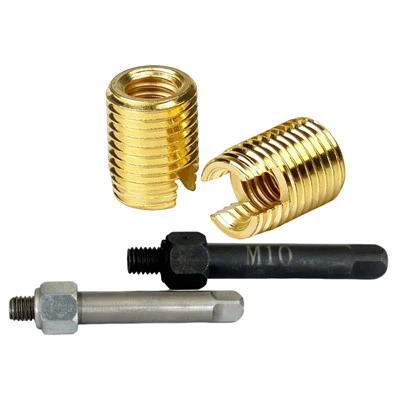
Cleaning: During use, threads inevitably become contaminated with dust, oil, and other pollutants due to varying working environments and conditions. These contaminants adhere to the thread surface, and if not cleaned promptly, they will adversely affect the thread's quality and lifespan. Therefore, regular cleaning is essential for routine maintenance to ensure proper operation.
Cleaning Methods: Threads can be cleaned using tools such as brushes, oil brushes, and hair dryers, or with cleaning agents. Avoid excessive friction during cleaning to prevent scratching the thread surface.
Lubrication: Threads spend most of their time in a state of friction during prolonged use. Lubricant effectively reduces friction loss and ensures normal thread operation. Therefore, regular lubrication is crucial for threads used for extended periods.
Lubrication Methods: Apply an appropriate amount of lubricating oil or grease. After application, gently move the thread to ensure the lubricant fully coats all parts. When lubricating, choose a lubricant suitable for your thread type and avoid overuse.
Maintenance As an essential fastening component in mechanical equipment, the lifespan and performance of threads are inextricably linked to daily maintenance. Therefore, in addition to routine cleaning and lubrication, regular maintenance is necessary to promptly identify and address any problems.
Maintenance Methods: A designated person should be responsible for thread maintenance, conducting regular inspections and tests to identify and address any issues promptly. Severely faulty threads should be replaced immediately.
Other Precautions When using threads, the following points should also be noted:
1. Avoid over-tightening or under-tightening;
2. Use tools suitable for the thread material;
3. Avoid excessive stress on the threads;
4. Avoid excessive vibration of the threads.