High-Load Thread Reinforcement Engineered for Demanding Applications
In many industrial assemblies, internal threads fail long before the fastener itself. From what we see in actual projects, this usually happens in aluminum housings, cast iron parts, orcomponents that are assembled and disassembled repeatedly. Once the base material deforms orwears, simply re-tapping the hole rarely solves the problem.
This is where heavy duty key locking inserts are typically specified.
As a manufacturer with long-term production and application experience, we design our heavy dutyinserts to restore - and often exceed - the original thread strength, especially under vibration,shock load, and repeated torque cycles.
Product Overview
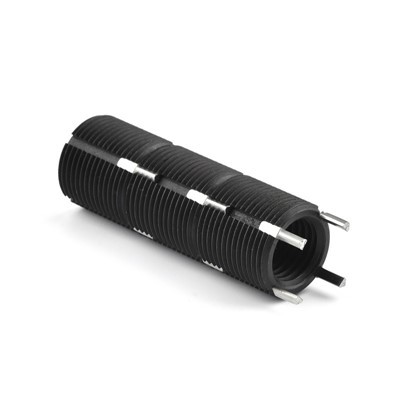
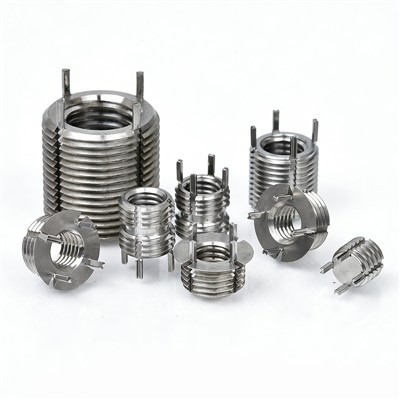
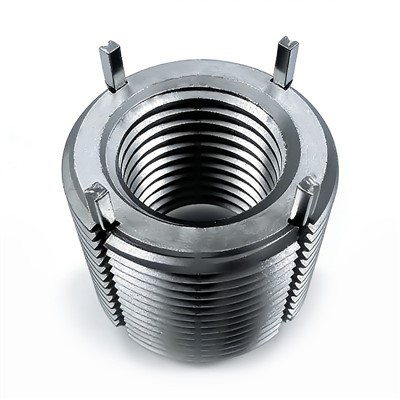
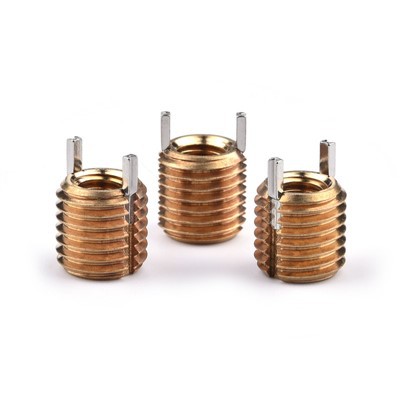
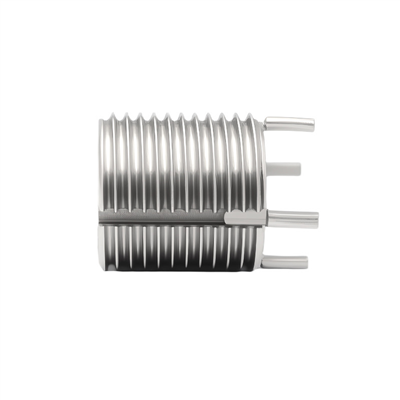
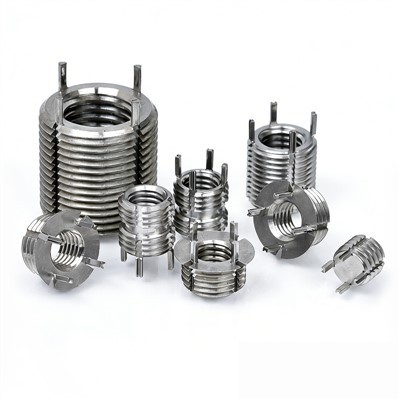
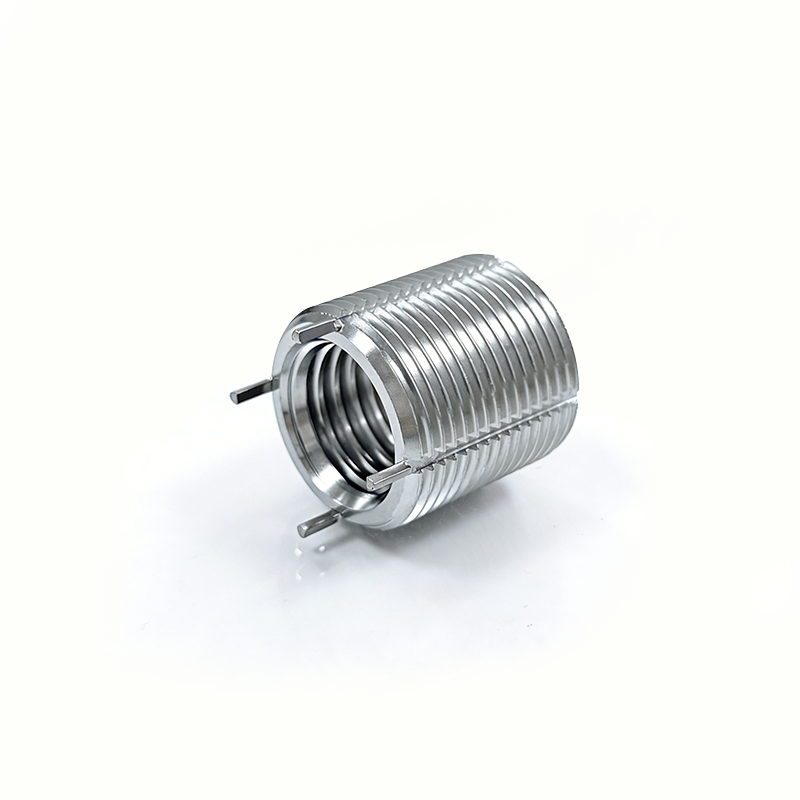
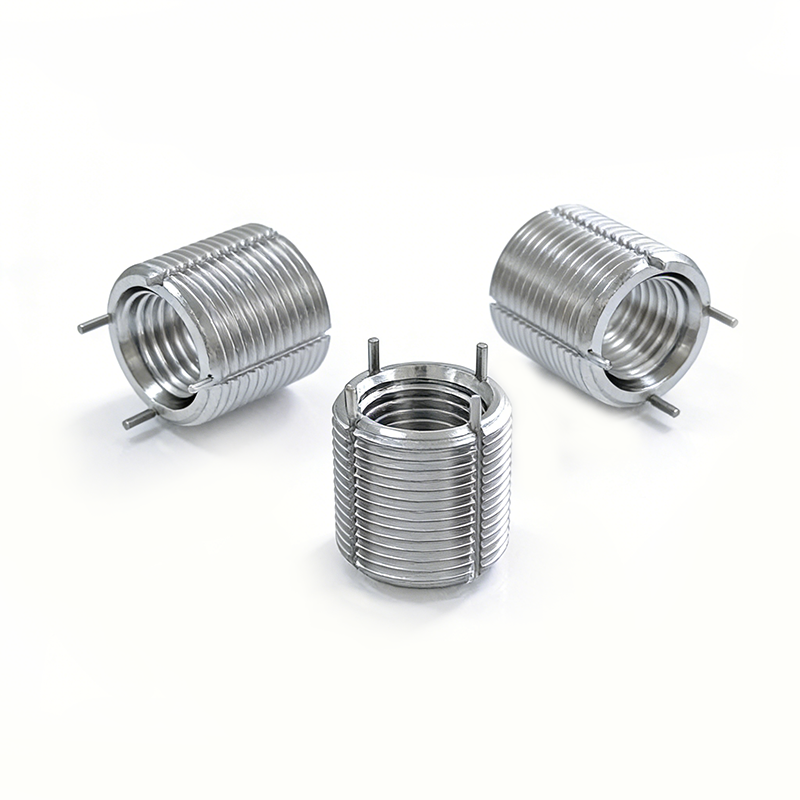
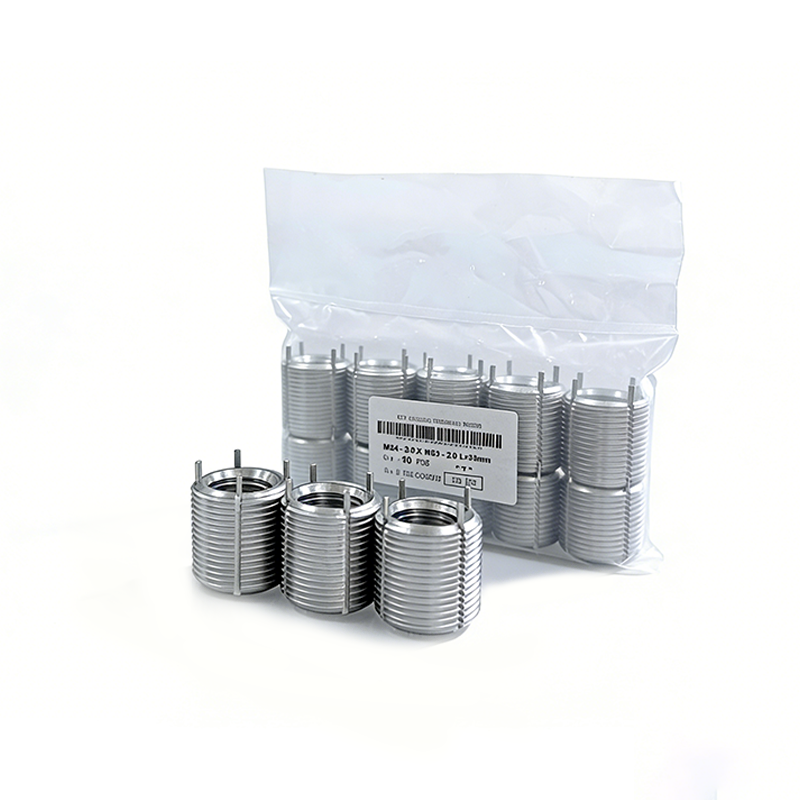
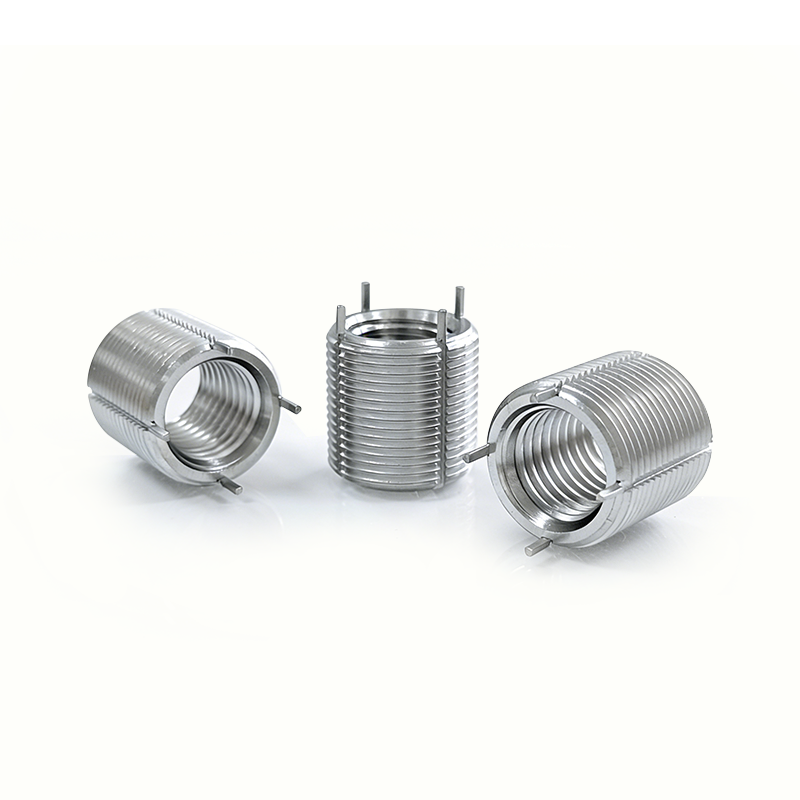
Heavy duty key locking inserts are solid-body threaded inserts featuring internal and external threads with integrated locking keys.
Compared with lightweight versions, the heavy duty series is designed for higher load transfer, stronger mechanical locking, and longer service life.
Typical applications: military equipment, aerospace tooling, railway systems, heavy machinery,vibration-intensive assemblies
After installation, the locking keys are driven into the parent material, creating a positive mechanical lock. This structure prevents rotation, pull-out, and thread loosening, issues thatoften occur with conventional inserts in high-stress environments.

Minimum size:
M4 and above

Materials:
1. SUS303 stainless steel (passivated)
2. Carbon steel C1215 (phosphate coated for corrosion protection)
Why Heavy Duty Key Locking Inserts Are Chosen


Mechanical Locking That Does Not Rely on Friction
Many customers initially assume that tighter threads equal better holding power. Iin practice, frictionalone is unreliable under vibration.
Our heavy duty inserts use pre-installed locking keys, which physically anchor the insert into thebase material. Once locked, the insert will not back out, even under cyclic load.

Reliable Thread Repair and Reinforcement
In damaged-thread repairs, the restored thread strength typically reaches 95% or more of the original design requirement, provided the correct installation process is followed.
In production use, first-time repair success rates consistently exceed 99%, which is critical for field repairs and high-value components.

Installation Efficiency in Real Workshops
Although the insert itself is robust, installation remains straight forward:
- Drill
- Tap
- Install insert
- Drive locking keys
In normal shop conditions, the full process averages about 2.5 minutes per insert, including drilling and tapping - significantly faster than multi-step wire insert repairs in heavy-duty applications.

Corrosion Resistance for Harsh Environments
Surface treatments are selected based on long-term exposure, not appearance.
Test data shows performance exceeding 1500 hours of salt spray testing (ASTM B117), making the inserts suitable for marine, chemical, and outdoor equipment.
Technical Specifications
|
Part Number |
Internal Thread |
External Thread |
Length L (mm) |
Drill Bit Size |
Tap Hole Depth |
|
KNHM4×0.7 |
M4×0.7 |
M8×1.25 |
8.00 |
6.90 |
9.5 |
|
KNHM5×0.8 |
M5×0.8 |
M10×1.25 |
10.00 |
8.80 |
12.5 |
|
KNHM6×1.0 |
M6×1.0 |
M12×1.25 |
12.00 |
10.80 |
14.5 |
|
KNHM8×1.25 |
M8×1.25 |
M14×1.5 |
14.00 |
12.80 |
16.5 |
|
KNHM8×1.0 |
M8×1.0 |
M14×1.5 |
14.00 |
12.80 |
16.5 |
|
KNHM10×1.5 |
M10×1.5 |
M16×1.5 |
16.00 |
14.75 |
18.5 |
|
KNHM10×1.25 |
M10×1.25 |
M16×1.5 |
16.00 |
14.75 |
18.5 |
|
KNHM12×1.75 |
M12×1.75 |
M18×1.5 |
18.00 |
16.75 |
20.5 |
|
KNHM12×1.5 |
M12×1.5 |
M18×1.5 |
18.00 |
16.75 |
20.5 |
|
KNHM12×1.25 |
M12×1.25 |
M18×1.5 |
18.00 |
16.75 |
20.5 |
|
KNHM14×2.0 |
M14×2.0 |
M20×1.5 |
20.00 |
18.75 |
22.5 |
|
KNHM14×1.5 |
M14×1.5 |
M20×15 |
20.00 |
18.75 |
22.5 |
|
KNHM16×2.0 |
M16×2.0 |
M22×1.5 |
22.00 |
20.50 |
24.5 |
|
KNHM16×1.5 |
M16×1.5 |
M22×1.5 |
22.00 |
20.50 |
24.5 |
|
KNHM18×1.5 |
M18×1.5 |
M24×1.5 |
24.00 |
22.50 |
26.5 |
|
KNHM20×2.5 |
M20×2.5 |
M30×2.0 |
30.00 |
28.00 |
34.5 |
|
KNHM20×1.5 |
M20×1.5 |
M30×2.0 |
30.00 |
28.00 |
34.5 |
|
KNHM22×1.5 |
M22×1.5 |
M32×2.0 |
32.00 |
30.00 |
36.5 |
|
KNHM24×3.0 |
M24×3.0 |
M33×2.0 |
33.00 |
31.00 |
37.5 |
|
KNHM24×2.0 |
M24×2.0 |
M33×2.0 |
33.00 |
31.00 |
37.5 |
Typical Application Areas
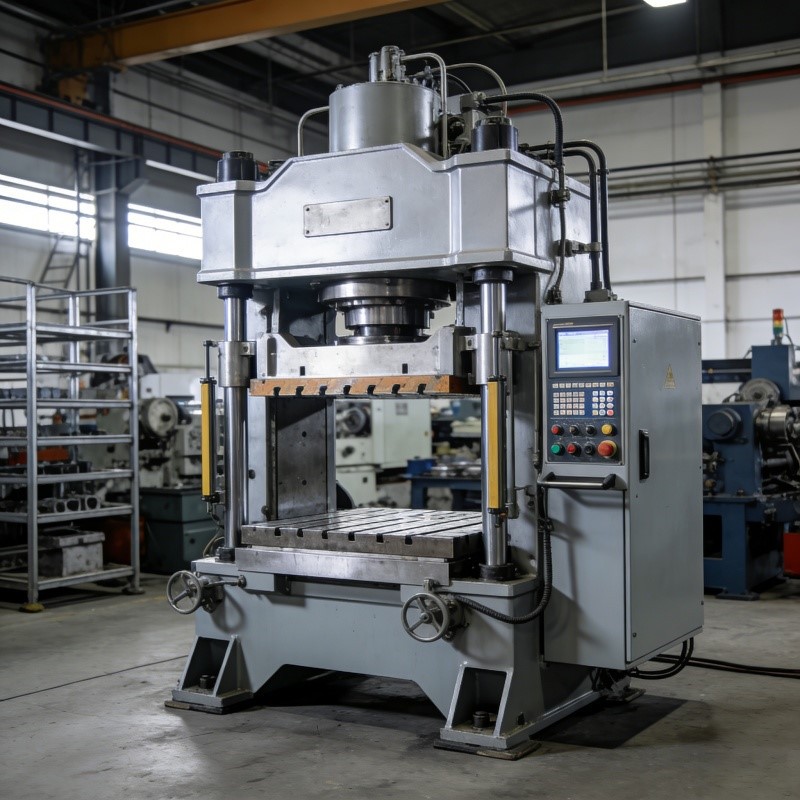
Industrial Machinery
Communicate with people with a sincere heart, not only within each team of the company, but also between customers, the company and the upstream and downstream. We must always cooperate with each other and develop together with an attitude of integrity.
Transportation & Rail Systems
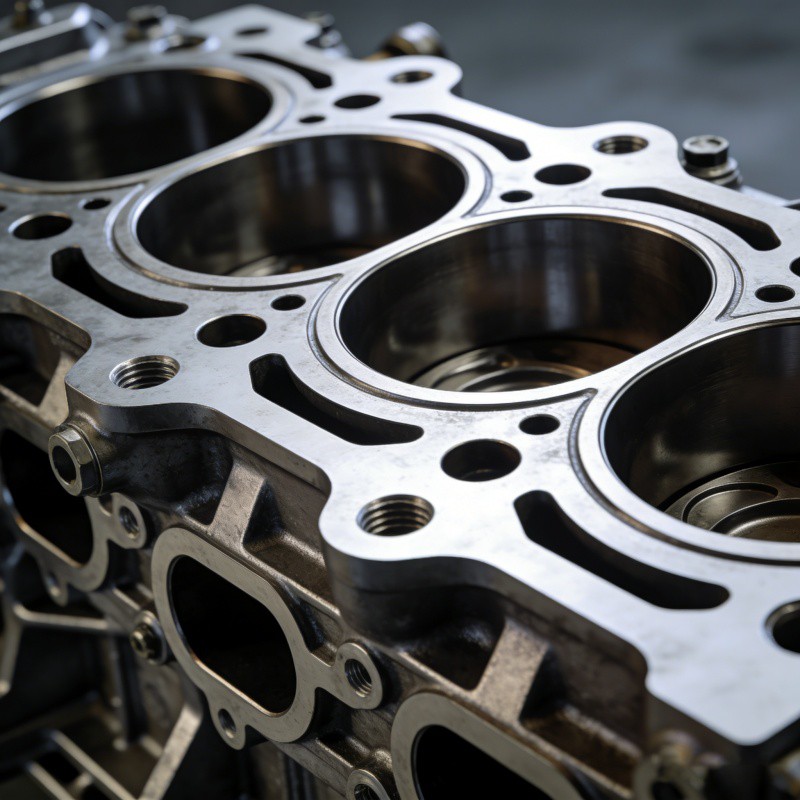
Applied in engine blocks, chassis mounts, bogie components, and structural connectors where reliability under vibration is non-negotiable.
Aerospace & Defense
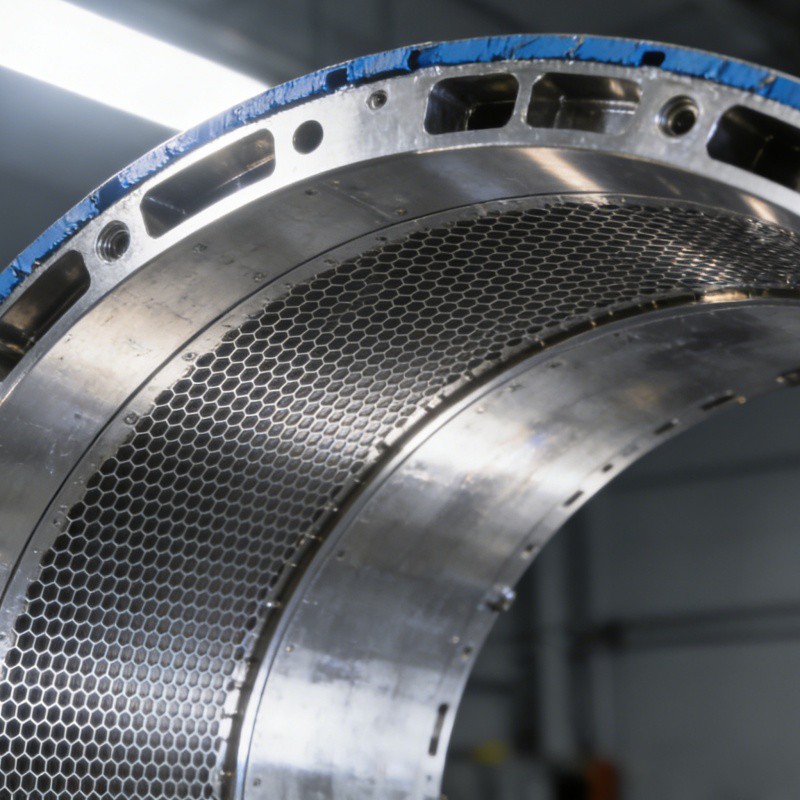
Commonly specified for fixtures, structural components, and maintenance tooling requiring repeatable assembly without thread degradation.
Heavy Equipment & Tooling
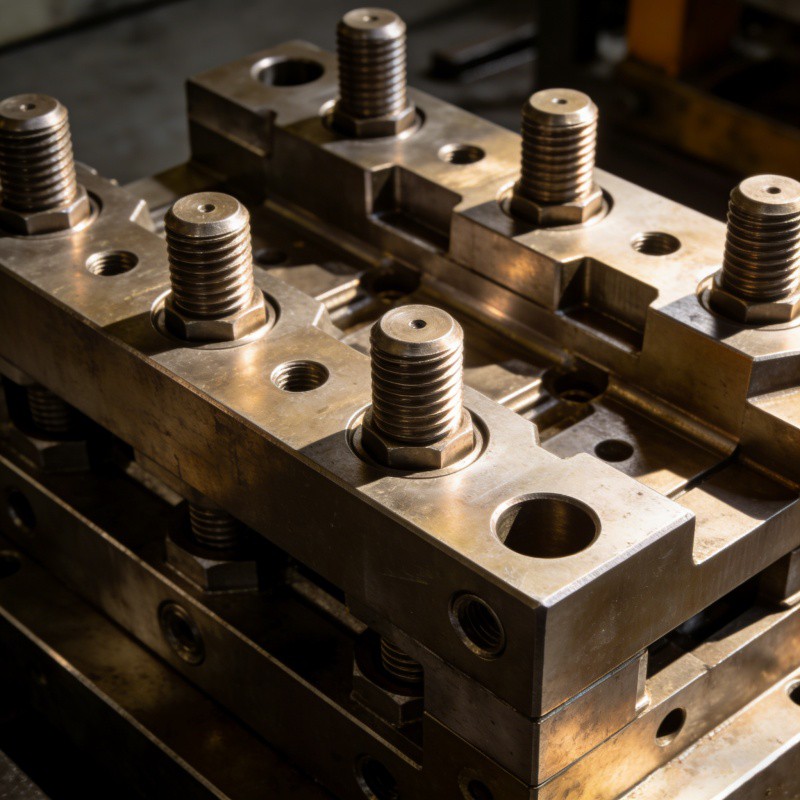
Mining machinery, construction equipment, large molds, and jigs where threads must withstand repeated torque cycles and shock loads.
Practical Selection & Installation Notes
Thread preparation matters more than most users expect.
Standard taps are not suitable - the external thread must match the insert specification exactly.
Incorrect tapping is one of the most common causes of installation issues.
Base material hardness affects installation force.
Soft aluminum allows easier key engagement. In cast iron or steel, higher force is normal and doesnot indicate a product defect.
Avoid over-specification.
Choosing a heavy duty insert "just to be safe" can increase cost and installation time unnecessarilyFor moderate loads or non-vibrating applications, standard key inserts or wire inserts may be moreappropriate.
FAQ
Q1: What is a key locking insert?
A1: A key locking insert is a solid threaded insert that uses mechanical locking keys to anchor itself intothe base material, preventing rotation and pull-out.
Q2: How does it compare to wire thread inserts?
A2: Wire inserts rely on radial pressure and friction. Key locking inserts use mechanical engagement,making them more reliable under vibration and heavy load.
Q3: Does the insert replace the bolt?
A3: No. The insert reinforces the internal thread. The bolt still carries the primary load, but the insertensures the thread remains stape over time.
Q4: Can inserts be removed?
A4: Yes. Removal typically involves drilling away part of the insert body and disengaging the lockingkeys before extraction.
Manufactured for Strength, Designed for Real-World Use
As a manufacturer, we focus less on marketing claims and more on how inserts perform after thousands of torque cycles and years of service.
lf your application involves vibration, frequent disassembly, or high structural load, heavy duty keylocking inserts remain one of the most reliable thread reinforcement solutions available.
Hot Tags: heavy duty key locking insert, China heavy duty key locking insert manufacturers, suppliers, factory, Key Locking Thread Repair Inserts, Keylocking Thread Repair Insert, Carbon Steel Key Locking Insert, Metric Key Locking Inserts, key locking inserts, Key Lock Threaded Inserts